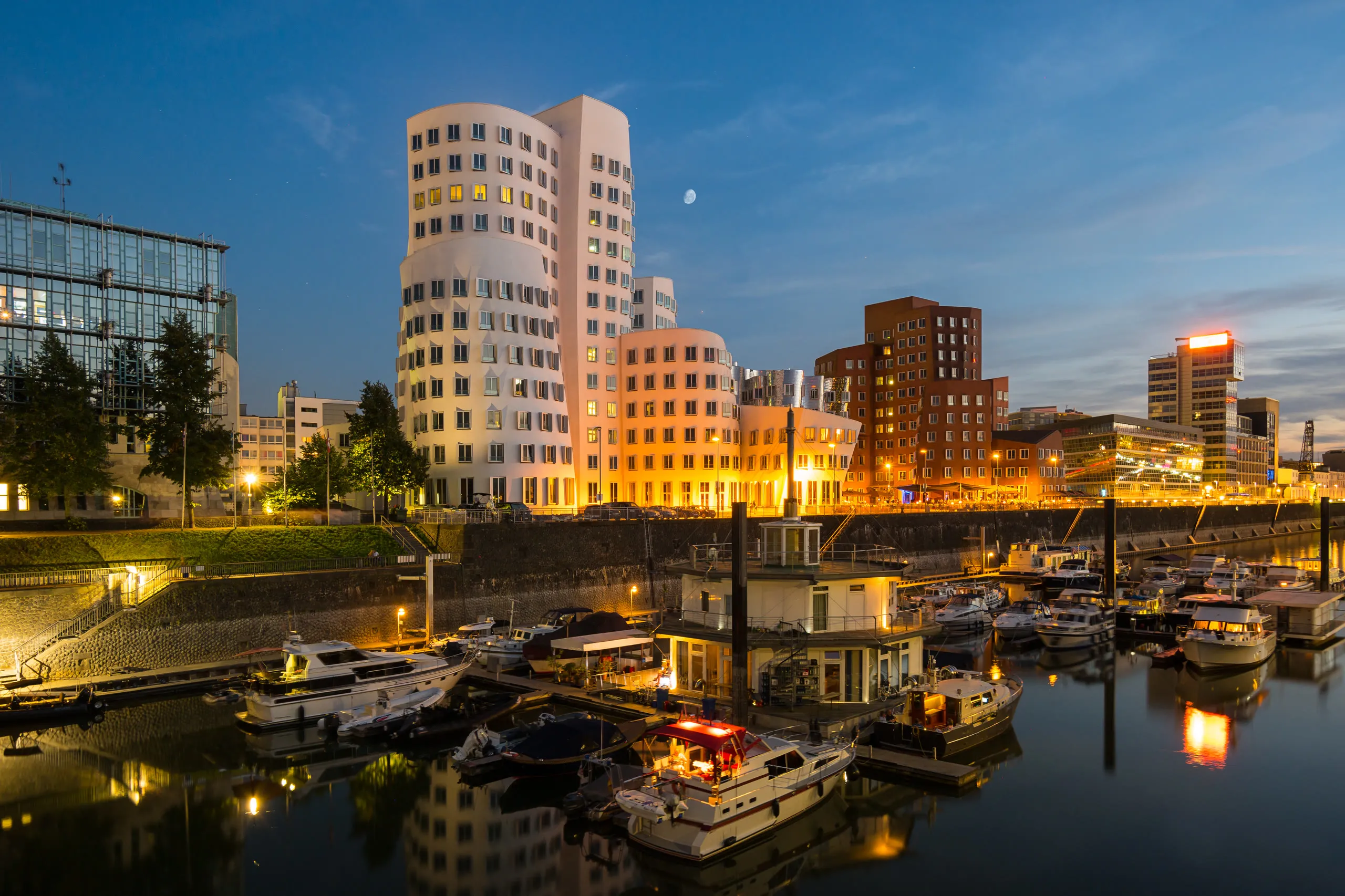
Saddle nose correction in Düsseldorf: consultation, surgery and aftercare in one place
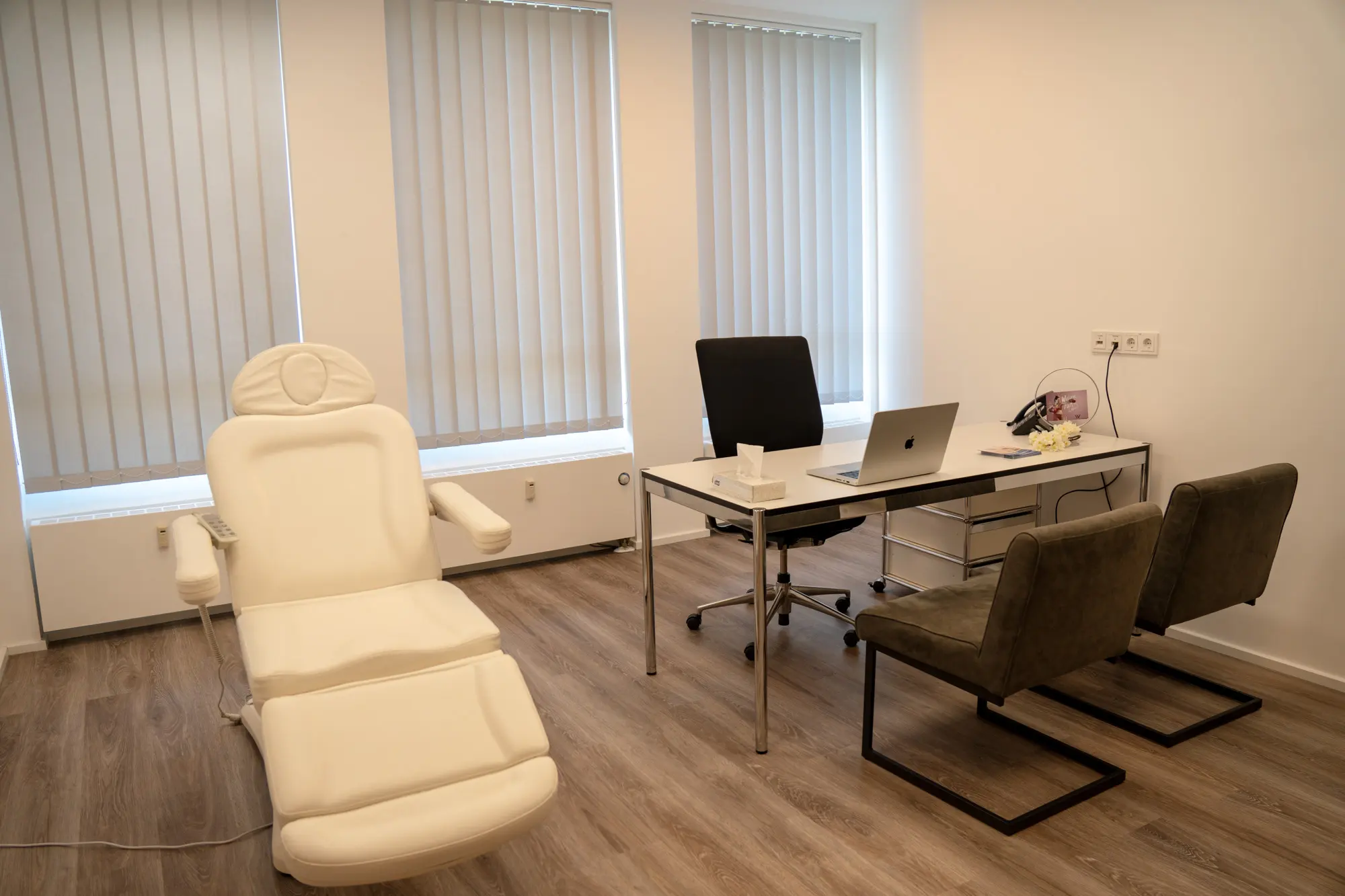
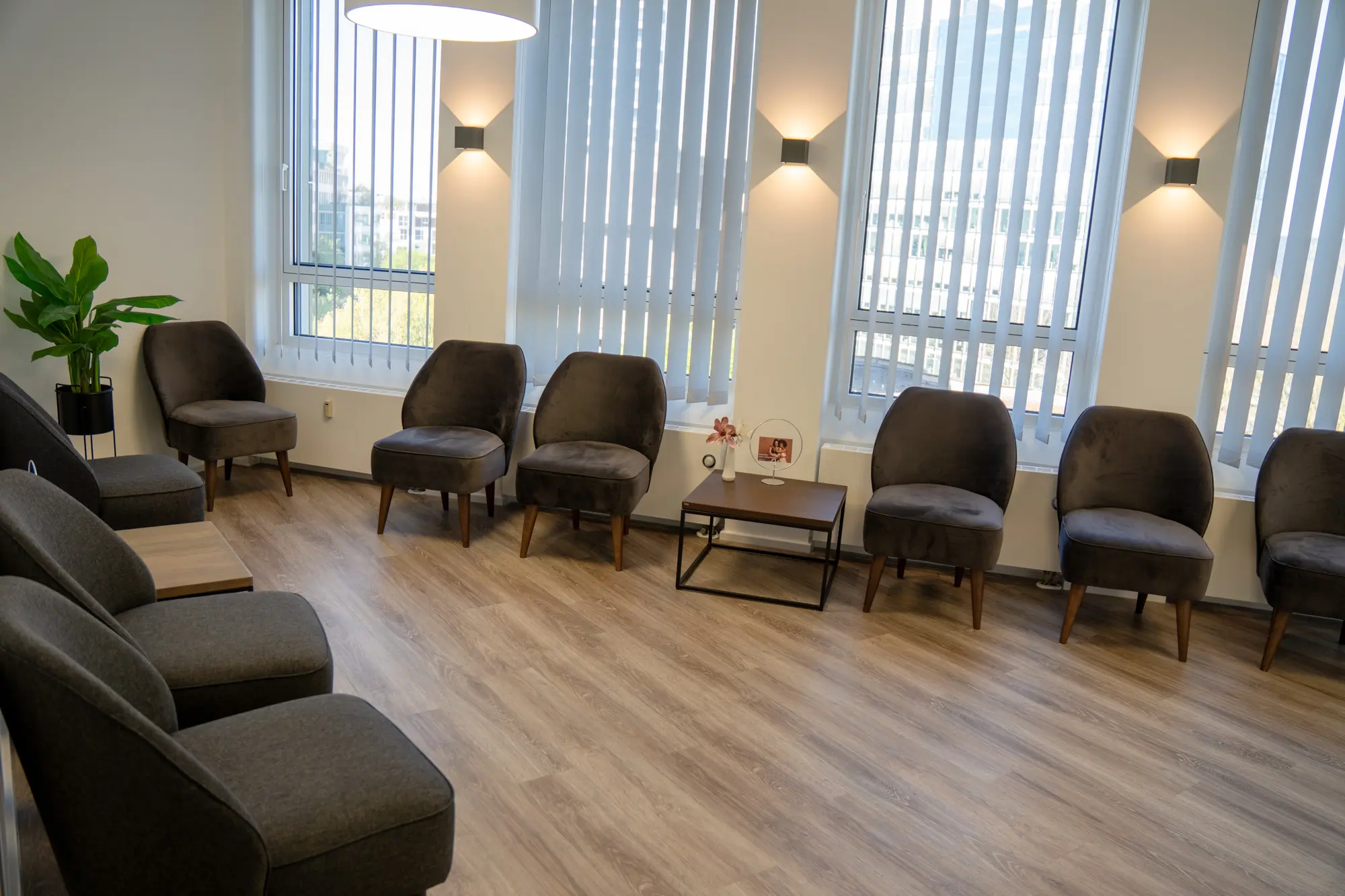
Consultation room
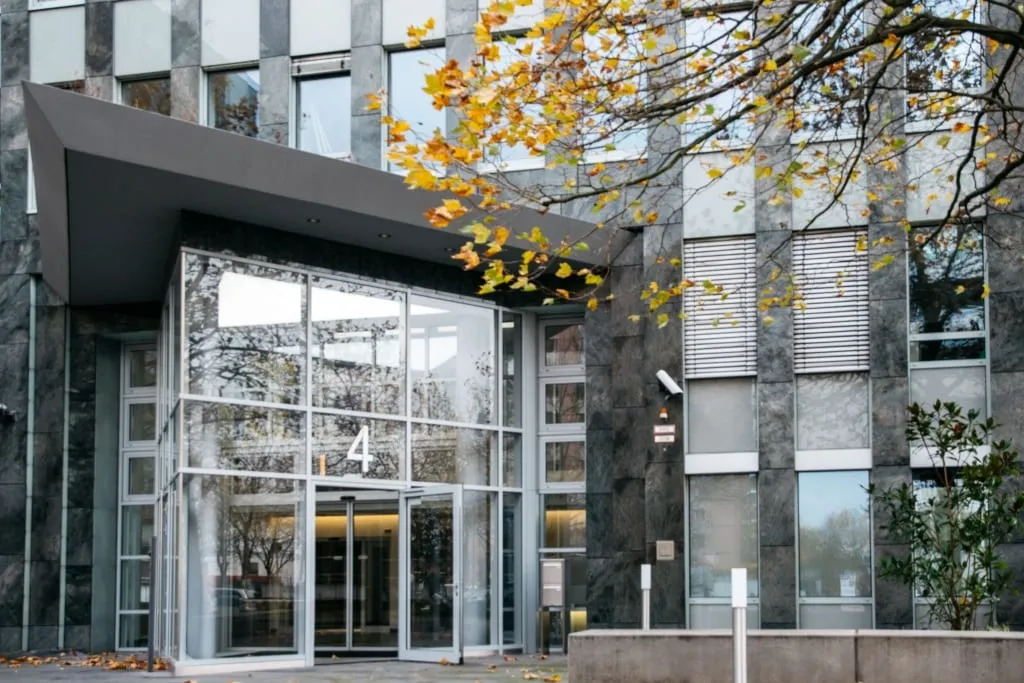
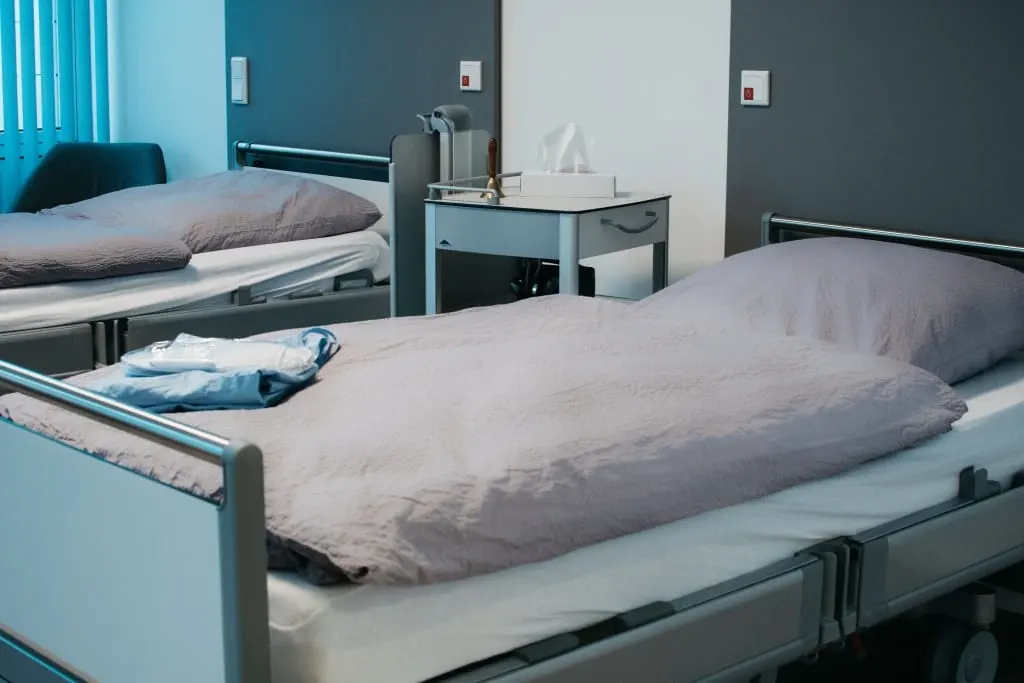
We plan and perform the rebuilding of your nasal bridge at the Deutsches Nasenzentrum® of Klinik am Seestern in Düsseldorf. The specialist clinic for plastic and aesthetic surgery has its own operating theatres and patient rooms, so that the consultation, the procedure, the nights afterwards and the check-up appointments of the first weeks all take place under one roof.
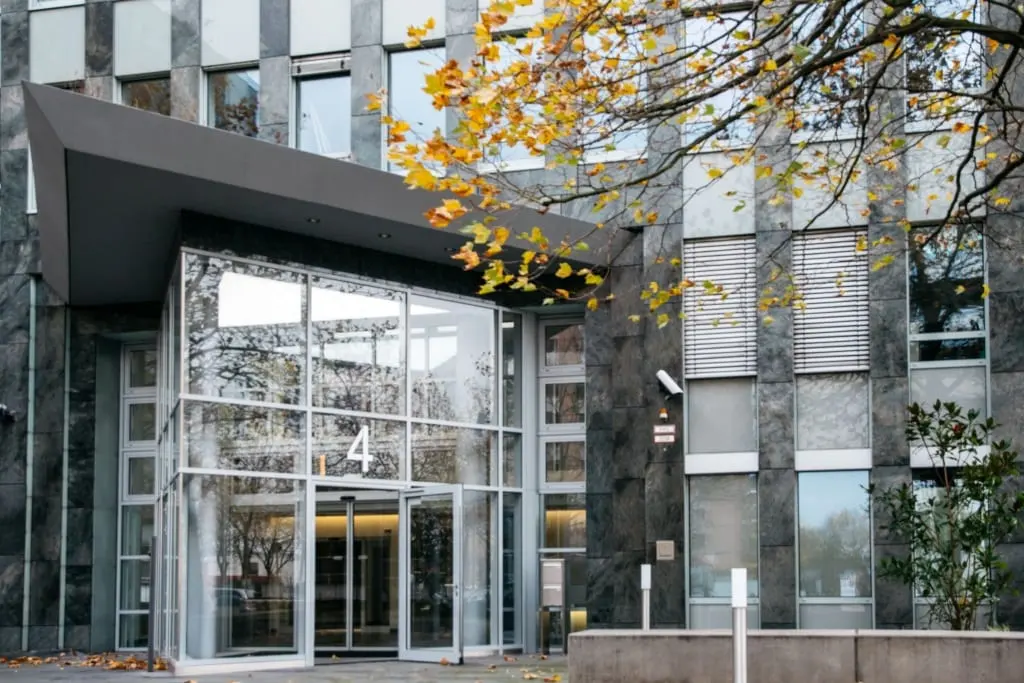
The clinic is located on the left bank of the Rhine in Lörick, in the Am Seestern office district near the B7. On the U77 you travel directly from the main station to the Am Seestern stop, and you can park on site free of charge. This keeps the journey to aftercare short from Düsseldorf, Meerbusch, Neuss and the surrounding area.
02
Reasons for correcting a saddle nose
Breathing difficulties and narrowed nasal passages
Functional complaints such as a feeling of pressure in the nose
Wish for a more balanced nasal profile
03
What is meant by a saddle nose correction?
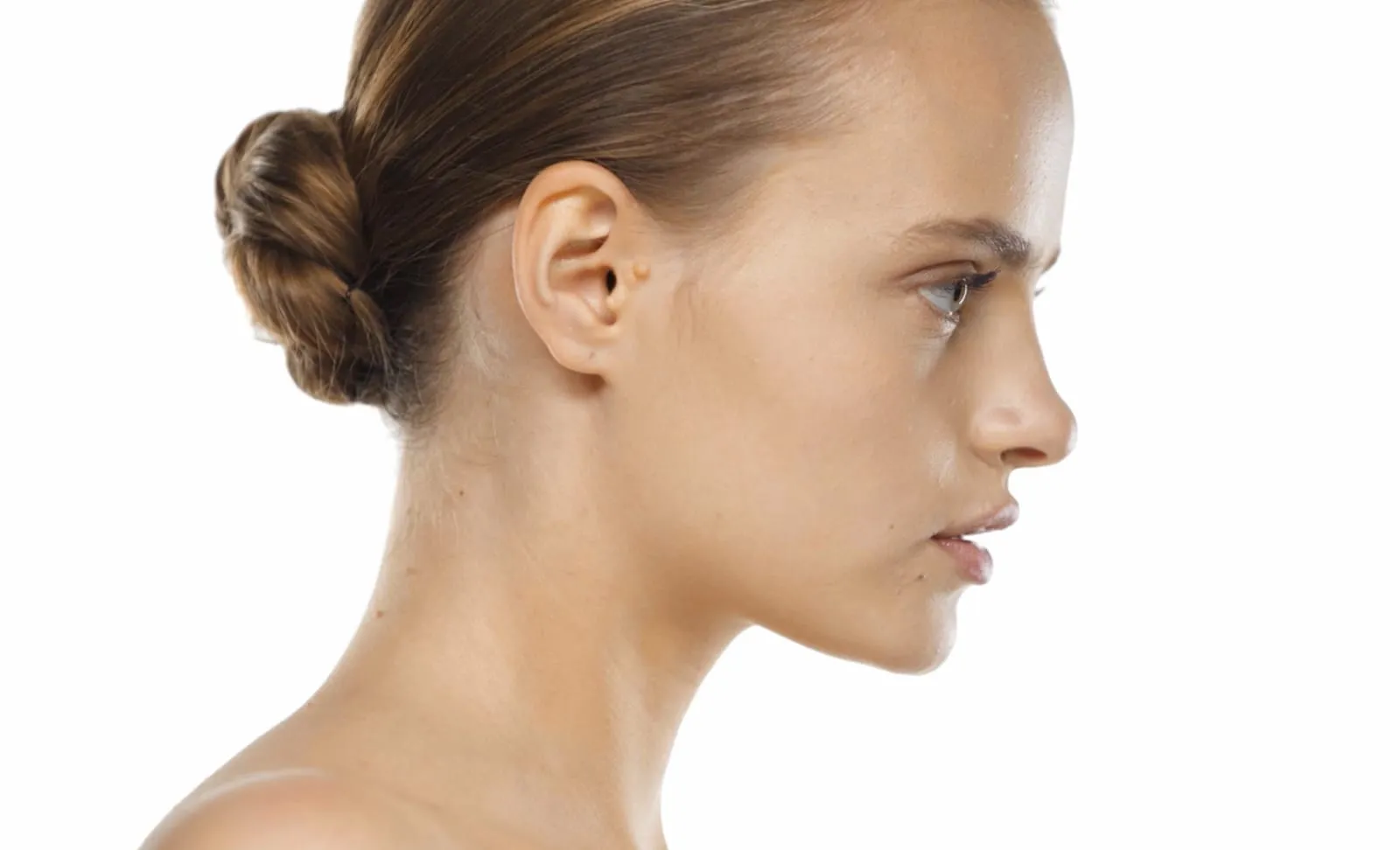
A saddle nose correction is a surgical procedure that is intended to restore the shape and function of the nose. In a saddle nose, the bridge of the nose has sunk in, so that the profile of the nose looks flattened or “saddle-shaped”. Causes can be injuries, earlier operations, congenital malformations or diseases such as granulomatosis. During the correction, the nasal bridge is reconstructed. The aim is a more balanced profile and better nasal function, in particular breathing.
04
What restrictions come with a saddle nose correction?
After a saddle nose correction, temporary restrictions occur. These include swelling, bruising and pain or a feeling of pressure in the operated area. The nose can be sensitive in the first weeks after the operation; avoid pressure and knocks. In the first few days, breathing can be restricted by swelling or nasal dressings, which eases as healing progresses. Several months can pass before full recovery and the final result.
Possible aims of correcting a saddle nose
Restoring the nasal structure with the aim of improving the shape and stability of the nose
Improving nasal breathing by reconstructing the nasal bridge and widening the nasal passages
Treating functional problems such as nasal congestion and restricted air circulation
Relieving complaints such as a feeling of pressure, where they are due to the altered shape of the nose
05
What treatment options are there for a saddle nose?
Treating a saddle nose often requires a complex surgical reconstruction, which is planned individually. A common method is the use of cartilage grafts, taken from the ear, the rib or the nasal septum, to rebuild the nasal bridge. In some cases, synthetic implants can also be used. The aim is to raise the nasal bridge, stabilise the shape and improve nasal function. These procedures are demanding, because the aesthetic and functional aspects of the nose must be taken into account equally.
Methods compared
Cartilage or implant
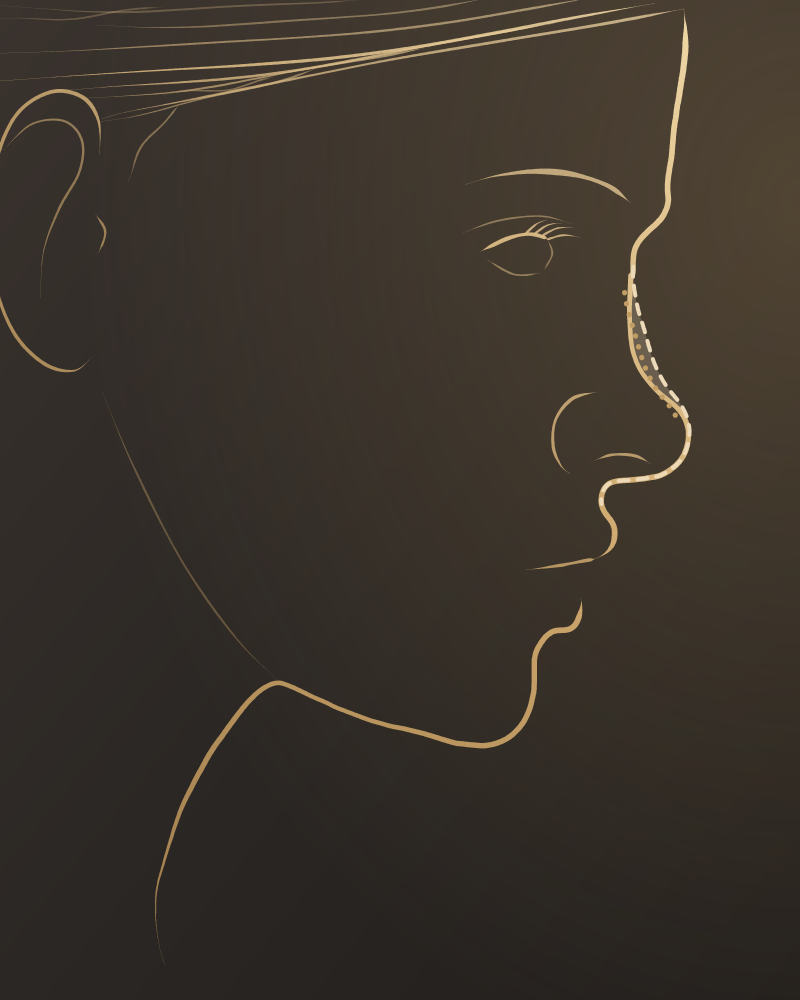
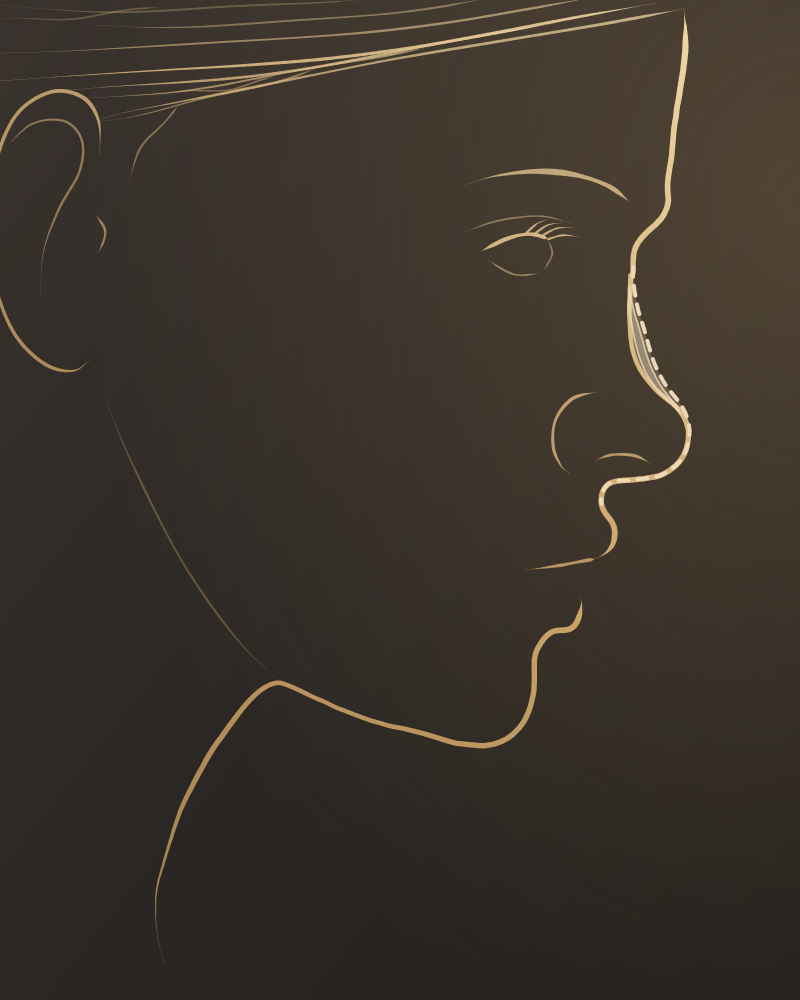
We plan individually what the nasal bridge is rebuilt with. The drawings show schematically how the sunken bridge is raised.
01Cartilage graftfrom your own body
Cartilage from the ear, the rib or the nasal septum rebuilds the sunken nasal bridge. It raises the nasal bridge and stabilises the shape.
Material
your own cartilage
Taken from
Ear, rib or nasal septum
02Synthetic implantin some cases
In some cases, a synthetic implant can raise the nasal bridge and stabilise the shape.
Material
synthetic implant
Aim
Raise the nasal bridge, stabilise the shape
06
How does the treatment for a saddle nose correction work?
It begins with a detailed consultation in which the surgeon examines the causes of the saddle nose and plans the approach. The operation is usually performed under general anaesthesia. The surgeon inserts the planned grafts and reshapes the nasal structure. The procedure usually takes two to three hours. A phase of healing follows, in which swelling and bruising can occur. Careful aftercare supports the healing process. In the first weeks, physical exertion should be avoided and the check-up appointments should be kept.
This is how your saddle nose correction proceeds at Klinik am Seestern:
Step 1
Beforehand
Consultation in Düsseldorf. We examine the causes of the saddle nose and plan the approach individually. You can book the appointment online.
Step 2
Day of surgery
The procedure. The operation is usually performed under general anaesthesia: the planned grafts are inserted and the nasal structure is reshaped. The procedure usually takes two to three hours.
Step 3
The first few days
In the clinic. You stay one to two nights. Swelling and bruising are possible, and breathing can be restricted by swelling or nasal dressings.
Step 4
Weeks 1 to 2
Plaster splint. You wear the plaster splint and do without nicotine, sunbathing and sport; you wash your hair with your head tilted back. Avoid pressure and knocks on the nose.
Step 5
After about 14 days
Back to everyday life. The stitches are removed, and you are back out among people after one to two weeks. In most cases you are unfit for work for about 14 days.
Step 6
Up to week 6
No glasses. For the first six weeks after the operation you do not wear glasses, and you attend the check-up appointments.
Step 7
After several months
The result. Several months can pass before full recovery and the final result.
07
What does the result of a saddle nose correction depend on?
The result depends on the cause and extent of the saddle nose, the material used, the planning, the surgical technique and the course of healing. The aim of the reconstruction is a more balanced nasal profile and, where necessary, better nasal breathing. Careful planning is particularly important for this.
08
What risks are there with a saddle nose correction?
As with any surgical procedure, there are risks with a saddle nose correction too. The most common include infections, bleeding, scarring or a result that does not meet expectations. The rebuilt nasal bridge may be insufficiently stable, which in rare cases makes a further correction necessary. In addition, allergic reactions to the material used are possible, in particular with synthetic implants. Temporary swelling, bruising and restricted nasal breathing are normal in the first weeks and usually subside within six to eight weeks.
09
What does a saddle nose correction cost in Düsseldorf?
A saddle nose correction is planned individually; the costs depend on the effort involved in the reconstruction, for example on whether cartilage is taken from the ear, rib or nasal septum or an implant is used. After your consultation at Klinik am Seestern you will receive a no-obligation treatment quote. Financing is possible through our financing partner; more on this under Financing your treatment.
10
What should I look for when choosing a doctor for a saddle nose correction?
Make sure that the surgeon has experience in nasal surgery and in rebuilding the nasal bridge. Find out about the doctor’s qualifications, for example the specialist title and memberships of specialist societies. In the consultation, ask about experience with the planned procedure. Equally important is the relationship of trust: in the consultation, all your questions should be answered, realistic expectations clarified, and the course of treatment, including risks and aftercare, explained clearly.
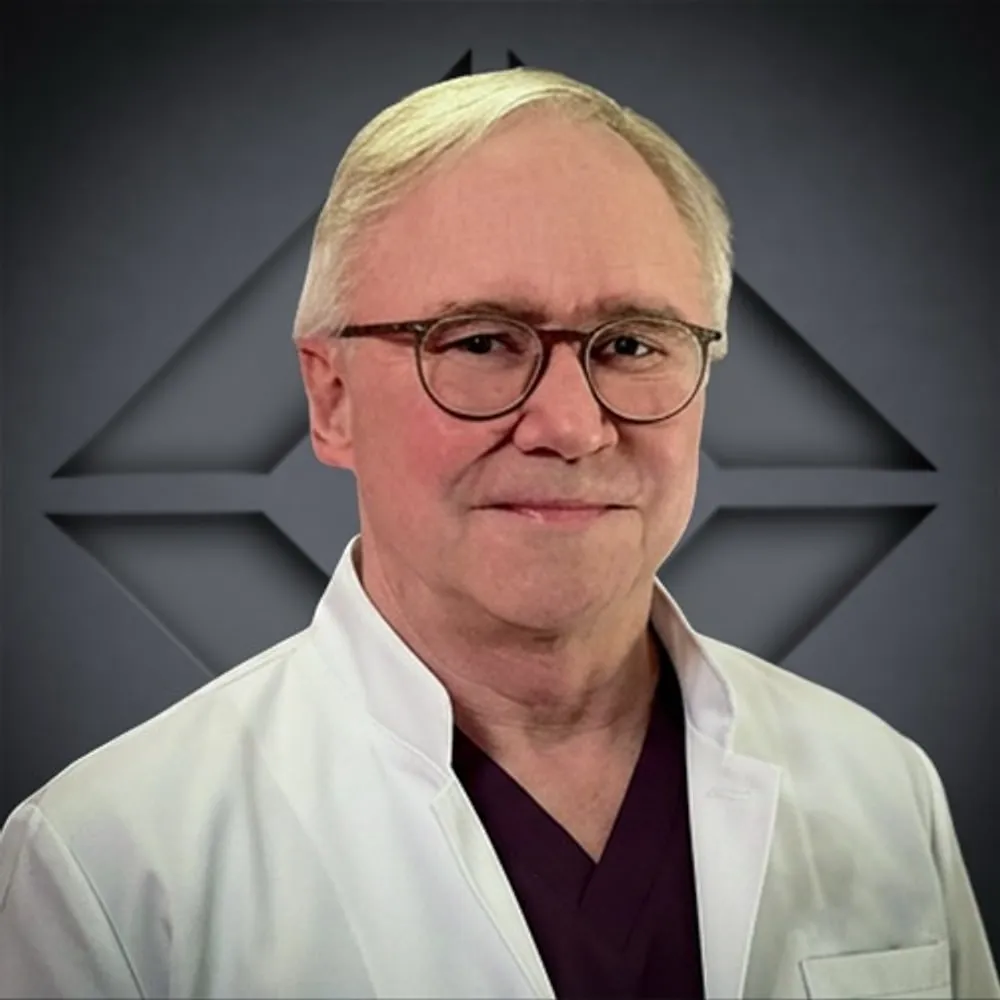
The Deutsches Nasenzentrum® at the Klinik am Seestern is headed by Dr. med. Michael Bromba. Feel free to arrange an appointment for a no-obligation consultation.
When does German statutory health insurance pay for a nose correction?
If the operation is necessary because of a functional disorder of the nose, private health insurance or Beihilfe (German civil service allowance) may cover part of the costs. This does not apply to the aesthetic part of the nose correction. Please clarify this beforehand with your private health insurance or Beihilfe. For people with statutory insurance, reimbursement by the German statutory health insurance fund is possible if there is a medical indication. You will receive further information in the personal consultation.
How painful is nose surgery and how long is the nose swollen?
Pain after the operation can usually be treated well with medication. Swelling and bruising under the eyes are possible; they have usually subsided by the time the cast is removed.
How long is the stay in the clinic for a nose correction?
As a rule, you can leave the clinic one day after the correction. In a few exceptional cases you stay for a second night for observation. Smaller procedures can be done on an outpatient basis.
How should I behave straight after a nose correction, how long do I have to wear a cast and when can I return to sport?
In the first one to two weeks you wear a plaster splint applied straight after the correction, with an adhesive or acrylic dressing. Avoid nicotine, sunbathing and sport during this time. Wash your hair with your head bent forward. In the first six weeks after the nose correction you should also not wear glasses.
How long will I be signed off sick after nose surgery?
That depends on which type of nose correction is necessary in your case. It makes a difference whether only the tip of the nose is corrected, the nose is straightened or a comprehensive nose correction is carried out. In most cases you are unfit for work for about 14 days, in exceptional cases somewhat longer. In the consultation you will find out how much time off work you should expect in your case.
What does a saddle nose correction cost in Düsseldorf?
The costs depend on the effort involved in the reconstruction. After your consultation at Klinik am Seestern you will receive a no-obligation treatment quote; financing is possible through our financing partner.
Where in Düsseldorf is a saddle nose corrected?
At the Deutsches Nasenzentrum® of the Klinik am Seestern, Am Seestern 4 in 40547 Düsseldorf-Lörick. The clinic is on the left bank of the Rhine near the B7, the U77 runs directly from the main station to the Am Seestern stop, and there is free parking on the grounds.
Costs and financing
Pay conveniently in instalments.
You can pay for your treatment in monthly instalments through our financing partner medipay, with terms of up to 72 months. We will tell you the price of your procedure after the consultation.
I am a lipoedema and lymphoedema patient and have been trying to find help for about 10 years. Here it was no problem at all! I was called in quickly, was well looked after, my questions were answered very professionally, and I was able to leave the practice in tears of joy! Many thanks for the support so far.
Alina · October 2026
The friendliness of everyone I dealt with.
Anonymous · July 2026
I had my appointment at the practice for a consultation about my lipoedema, and I really want to leave a review even though I haven't had any surgery there yet. The reason is that this was the first time I felt truly taken seriously during an examination of my lipoedema. Dr. Witt was very friendly and professional from the start, and at the same time incredibly pleasant and humane. He took an exceptional amount of time, examined me very thoroughly and answered all my questions in detail. He is incredibly respectful and explains realistically what could be done and how the whole process would work. I found it particularly positive that at no point did a hectic or unpleasant mood arise. You never had the feeling of being “brushed off” or being under time pressure. Instead, the whole atmosphere was calm, relaxed and trusting. Dr. Witt was very committed, photos were taken of the affected areas and every possible treatment was explained in an understandable way. Dr. Witt explained everything in detail, yet never came across as complicated or distant. Although he is an absolute specialist in his field, I felt at all times that I could speak openly and ask any question. It felt more as if I had been a patient there for a long time. It was also particularly important to me that I never felt pushed towards an operation. It is still not at all clear whether I will have my operation at all, and yet I was taken incredibly seriously and treated with respect. That is exactly what built so much trust in me. I would also very much like to mention the lady at reception, Marris, in a positive way. She was super polite, had a very pleasant and calm manner and immediately gave me a good feeling. Although it was almost 5 p.m. and the end of the working day was approaching, she was incredibly friendly to me and did not seem at all annoyed or stressed. It is precisely such little things that make a huge difference to me personally and reinforced my positive overall impression of the practice. The practice itself is also absolutely impressive. It is extremely modern, high-quality and stylishly furnished. You feel more as if you are entering a luxury hotel than a traditional doctor's practice. Everything seems very well thought out, calm and professional. The organisation around the appointment was also excellent. Even before the appointment, communication was always very friendly, quick and professional. Questions were answered immediately and the whole process seemed perfectly organised. I was also allowed to park in the clinic's car park, which was an enormous relief since everything in the area was completely full. Although it was already later in the afternoon, Dr. Witt even personally saw to it that enquiries were made internally about my question regarding costs. Shortly after I had left the practice, I already received all the information by email. That too simply shows how professionally and attentively they work there. Overall, an exceptionally positive experience, of a kind you unfortunately only rarely have in the medical field. Absolutely fabulous.
Kerasoula P. · June 2026
Very beautiful clinic, wonderful reception and great service. The consultation with the doctor was very comprehensive and she addressed all my questions, which is all you could wish for as a patient / customer. I will definitely have my treatment done here.
Sandra W. · April 2026
Dr. Bromba took the time and advised me very well.
Anonymous · April 2026
A very kind doctor. I felt very comfortable from the first moment!
Elisabeth-katrin · March 2026
Everything was great, just one small remark..... I didn't get any dinner/bread in the evening. The most important thing for me was the operation, or rather everything around it.
Mix · February 2026
I was welcomed and advised incredibly kindly. The consultation takes place on an equal footing and without medical jargon, and what I like best is that they paid attention to what the best treatment is for my concern, and not to what would earn the practice the most money. I took a week to think it over, but actually the decision to choose the clinic was made much sooner.
Anonymous · January 2026
Everyone was very friendly, especially the nurses.
Anonymous · October 2025
I had a consultation and felt taken seriously and understood. They took a lot of time for me, and the examination and the conversation were very thorough. In the end, the treatment is too expensive for me, so I won't be able to have it done.
Anonymous · October 2025
Very competent and friendly consultation.
Anonymous · October 2025
Very competent consultation, super friendly staff!
Anonymous · September 2025
Medical assistant with partly insufficient professional competence.
Andreas M. · August 2025
Very competent consultation and medical examinations. I feel very well looked after.
BrigitteM · August 2025
I really liked the super friendly manner of the ladies at reception, and also that the doctor took the time to see and advise me, as well as the nice lady who went through the cost plan with me. I felt wonderfully looked after and will definitely have my treatment there. Thank you once again for everything so far.
Astrid R. · August 2025
A conversation in peace and without time pressure. I felt very well looked after.
Anonymous · August 2025
I was welcomed very nicely. The doctor was also very nice and answered all my questions. She also showed understanding that one does not decide straight away.
Anonymous · July 2025
Dr. Bromba's calm, matter-of-fact manner and his competence really convinced me during the consultation.